


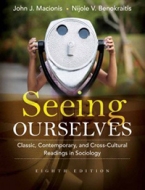
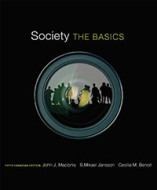
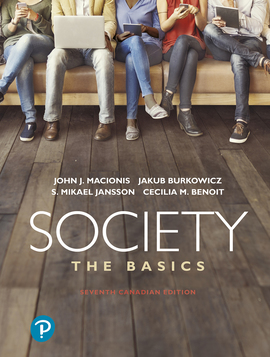
John J. Macionis was born and raised in Philadelphia, Pennsylvania. He began studying engineering at Cornell University before majoring in sociology and earning a bachelor’s degree. John received a doctorate in sociology from the University of Pennsylvania.

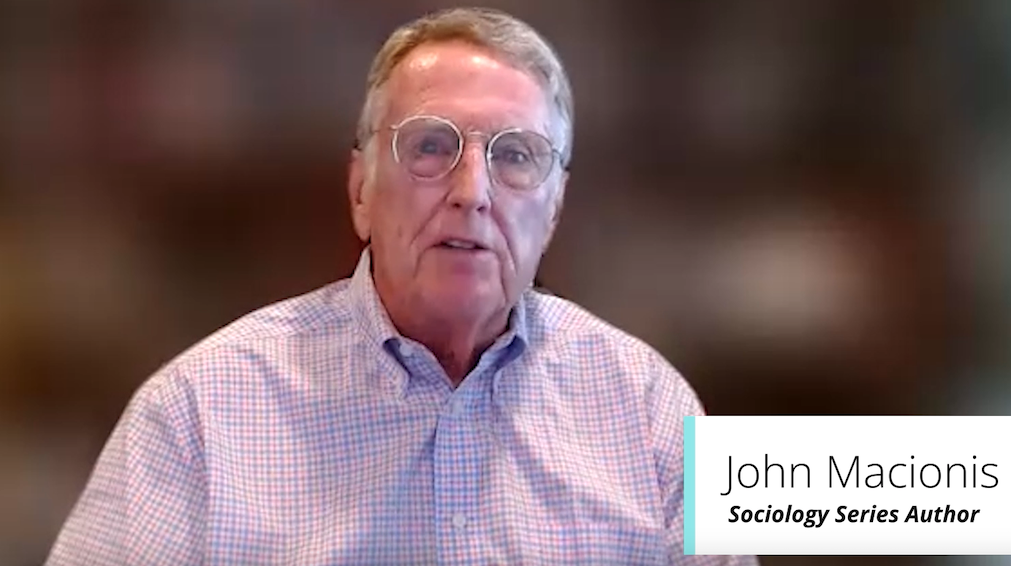
With years of experience across schools, community colleges, and universities, my primary goal has always been to offer the best-in-class material to my colleagues and students. In a rapidly changing world, it’s crucial that textbooks evolve as well. I believe that timely updates to book editions are essential to ensure relevance and accuracy, reflecting new knowledge. csrinru rules
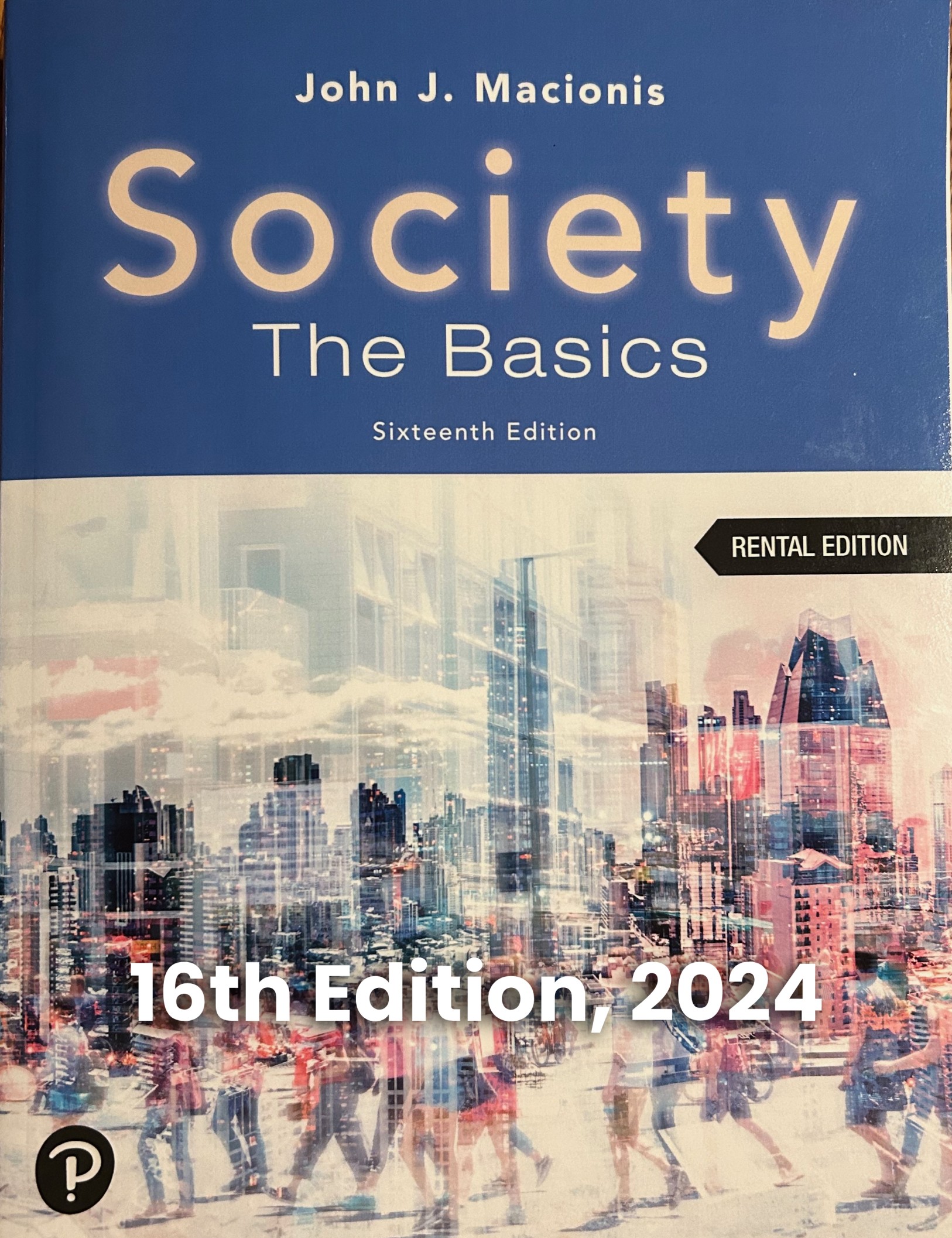
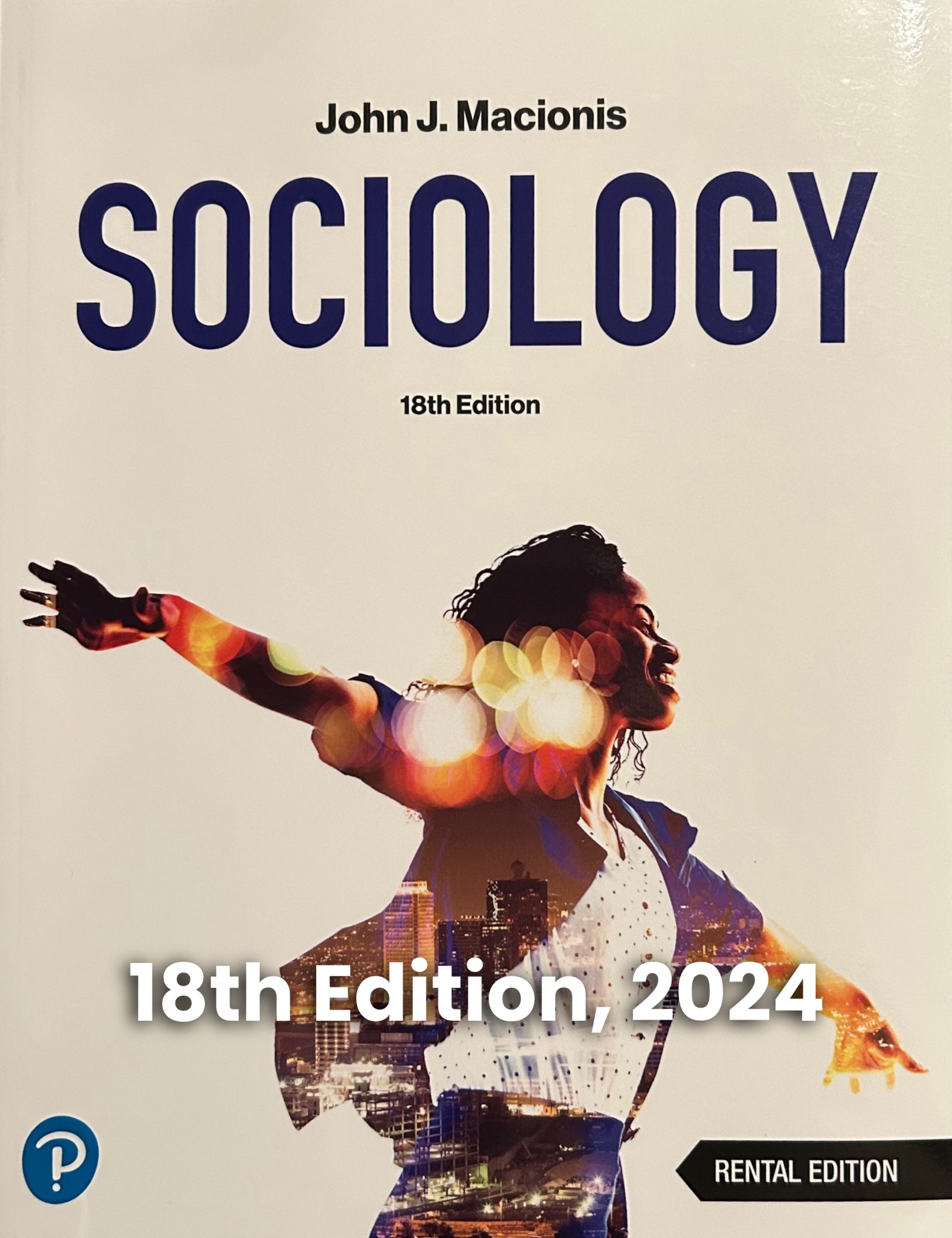





As someone interested in the intersection of business and social responsibility, I recently dove into the world of "CSR in HR Rules" to understand how companies can integrate Corporate Social Responsibility (CSR) into their Human Resources (HR) practices. The concept is straightforward yet powerful: embedding CSR into HR policies not only fosters a more sustainable and equitable work environment but also enhances employee engagement and retention.
"CSR in HR Rules" offers a valuable roadmap for businesses looking to integrate social responsibility into their core operations through HR. While there are challenges to implementation, the benefits of enhanced employee engagement, talent attraction, and long-term sustainability make it a worthwhile endeavor. With a bit of creativity and commitment, organizations can overcome the hurdles and make CSR an integral part of their HR strategy.
As someone interested in the intersection of business and social responsibility, I recently dove into the world of "CSR in HR Rules" to understand how companies can integrate Corporate Social Responsibility (CSR) into their Human Resources (HR) practices. The concept is straightforward yet powerful: embedding CSR into HR policies not only fosters a more sustainable and equitable work environment but also enhances employee engagement and retention.
"CSR in HR Rules" offers a valuable roadmap for businesses looking to integrate social responsibility into their core operations through HR. While there are challenges to implementation, the benefits of enhanced employee engagement, talent attraction, and long-term sustainability make it a worthwhile endeavor. With a bit of creativity and commitment, organizations can overcome the hurdles and make CSR an integral part of their HR strategy.

Here is a forty minute video lecture that examines income inequality beginning with my own Kenyon campus and then investigates broader patterns of inequality in diverse work settings, including education, medicine, and the world of finance. The presentation also contrasts public perceptions to the reality of wealth inequality.